


#014 - Beyond Direct Trade: Scaling Sustainability through Shared Infrastructure
- renatostivanin
- Mar 8
- 4 min read
Updated: Apr 10
Meiero redefines sustainability by focusing on shared infrastructure—such as mills, irrigation, and storage—rather than just direct-trade narratives. We analyze the technical asymmetries of the value chain, where post-harvest losses exceed 20% due to inadequate processing at origin. By applying Dutch governance and patient capital to resolve these physical bottlenecks, we aim to revitalize the cooperative model and empower producers to capture more value from the 20–60 million tons of annual processing byproducts.
We have been focusing on resource allocation in the coffee value chain - that comprises capital, human capital and tech.
Once present at both extremes of the value chain, we can understand the bottlenecks and create a huge impact. Indeed, we can exchange best practices. For example, Dutch governance, efficiency and access to trade finance, plus Brazilian access to producing infrastructure.
Therefore, this newsletter aims to communicate our finds and plans. Once public, it becomes a commitment. And it attracts new partners.
One key point was the perception of direct trade.
As a supplier of green coffee in Europe, our number one goal is to guarantee quality and fair prices to our clients. By focusing exclusively on direct trade from our farm, we could compromise quality. As such, we made a conscious decision of expanding our base of suppliers. This process exposed even deeper bottlenecks on infrastructure, which we aim to solve by employing patient capital, human resources and technology. The consequence may be an even deeper positive impact than the direct trade per se.

The coffee value chain starts in developing nations in Latin America, Africa, and Asia and ends in mainly developed countries. Key asymmetries exist in waste volumes, infrastructure access, value retention, and trade structures.
Waste volumes differ significantly by stage and location. At origin, processing coffee cherries generates substantial byproducts. For each ton of green coffee produced, wet processing typically yields 0.43–0.55 tons of pulp, plus mucilage, husks, parchment, and wastewater - estimated at 20–60 million tons per year, depending on method (wet vs. dry). In consuming countries, waste consists mainly of spent coffee grounds after brewing, estimated at 6–18 million tons annually.
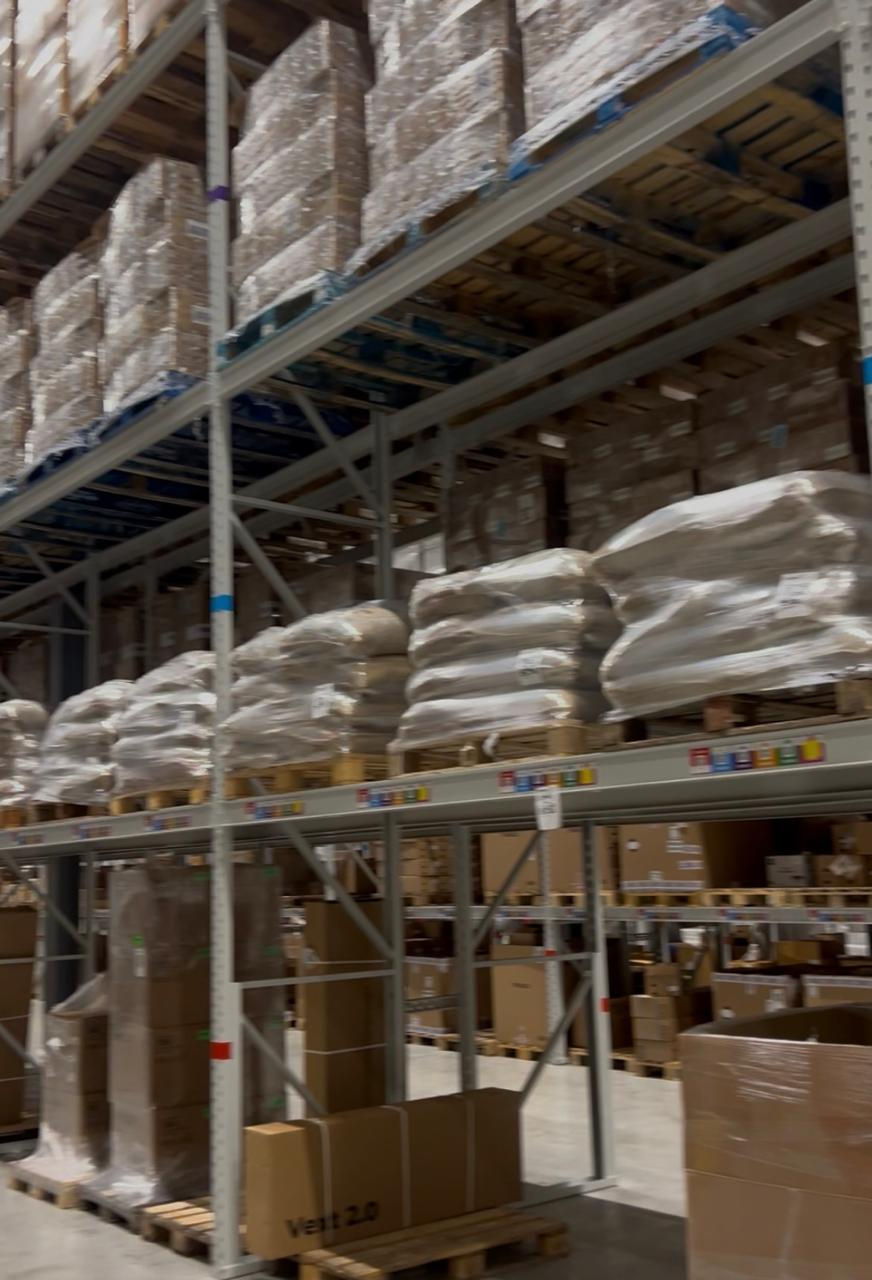
Infrastructure at origin—such as roads, irrigation, drying facilities, wet mills, and storage—is critical for quality preservation and loss reduction. Post-harvest losses can exceed 20% without adequate systems, due to delays, spoilage, or poor drying. Modern facilities enable wet processing, which produces higher-quality beans suitable for premium markets, increasing export prices. Improved storage reduces mold and maintains standards. Irrigation supports yields - especially in changing climates. Indeed, this infrastructure guarantees traceability, creating even deeper incentives for good practices at the farm. These enhancements create local jobs in processing and sorting, retain more economic activity in rural areas, and help producers capture greater value from green coffee exports.
Cooperatives should support infrastructure by aggregating resources among smallholders. They should fund shared mills, warehouses, and certification (e.g., organic, Fairtrade), provide training and inputs, and improve market access. This collective model lowers costs, negotiates better terms, and channels premiums into community assets like roads or schools.
However, cooperatives lost this power after three decades of low prices and bad governance.
Direct trade mitigates imbalances by linking buyers with producers or cooperatives. It enables quality-based premiums (often 20–50% above commodity prices), traceability, and long-term investments in farms and infrastructure. Producers retain more revenue, while roasters secure consistent supply.
That will be our focus: to invest in infrastructure and technology for direct trade. Therefore improving the value proposition to European buyers and solving bottlenecks for Brazilian consumers. During this phase, we need to focus. Soon, we will be able to scale a replicable model.
If you have ideas, please let us know. Our job is to implement them!
_____________________________
Weekly Highlights:
Coffee Futures KC Price in NY: +1.60% weekly, closing at 293.30 cents/lb.
Coffee Price in Brazil's B3 in USD: +1.60% weekly, closing at 388.00 USD per 60kg bag.
BRL/USD FX Rate: -2.16% weekly.
Proxy of 20' Container Freight Prices from Santos to Rotterdam: Specific route data unavailable in accessed indices; global container rates showed mixed trends with some Europe-related lanes down 1-2% weekly amid overcapacity, but no confirmed change for this Atlantic route.
Capstone Partners' March 2026 Beverage Sector M&A Update notes a decline in activity during 2025 due to tariffs, with expectations for hybrid strategies and impacts from new U.S. federal nutrition guidelines limiting artificial sweeteners and added sugars.
Caffè Nero acquired Washington D.C.-based Compass Coffee in February 2026, with CEO Gerry Ford outlining renewed U.S. expansion strategy post-bankruptcy court approval.
U.S. consumers are rewriting daily coffee routines amid 18.3% price increase in January 2026 year-over-year, shifting from cafés to cheaper brews or alternatives like Diet Coke, following tariff removals and climate-driven yield reductions.
Dealmakers at ICR Conference anticipate increased retail M&A and IPOs in 2026 post-tariff disruptions, citing examples like Kraft Heinz split, Keurig Dr Pepper's JDE Peet’s acquisition, and sales like Good Culture to L Catterton.
Keurig Dr Pepper's US$18.2bn acquisition of JDE Peet’s is progressing toward completion, marking the largest coffee deal on record.
Luckin Coffee and Centurium Capital acquired Blue Bottle for US$400m, with Nestlé potentially gaining from the sale.
Spanish coffee consumption rises to 4.2 kg per capita annually, up from 3.5 kg in 2019, driven by 70,000 tonnes in Horeca and imports from Vietnam, Brazil, and Uganda.
Polish antitrust authority raises concerns over misleading recyclability claims for Cafissimo coffee capsules, potentially not reflecting actual conditions.
Consumer Healthcare Products Association's 2026 Summit discusses M&A outlook in consumer healthcare, including coffee-related segments, amid shifting market dynamics and policy influences.


Comments