


#015 – Fertilizer Shocks: How the Iran Conflict Threatens Coffee Yields
- renatostivanin
- Mar 15
- 3 min read
Updated: Apr 10
Meiero draws a technical parallel between the 2022 fertilizer crisis and the current 2026 conflict in Iran, noting that the Persian Gulf accounts for 40–50% of global urea exports. We analyze how the 30% spike in urea prices mirrors the supply shocks that drove coffee prices to triple in 2024–25 after producers slashed nutrient applications. This article provides a strategic warning for the value chain to lock in feedstock prices and utilize Dutch-based inventories to mitigate the long-term productivity losses and price volatility triggered by geopolitical disruptions in the Strait of Hormuz.
When founding Meiero, we made an important decision.
Despite our trading background, we wanted to avoid market noise and focus on long-term capital allocation. That means steering clear of short-term predictions on coffee prices, BRL, interest rates, oil or political issues. We simply do not know where these will go—so we adopted a theoretically bulletproof strategy against volatile prices: we always maintain inventory available to our clients.
However, there is a parallel between the current war in Iran and the Russia-Ukraine war four years ago.

Global fertilizer prices surged over 50% from February to April 2022 - CRU index peaked at 390 in March, after an 80% rise in 2021. Russia and Ukraine supplied 20–25% of key traded fertilizers (urea, potash, ammonia); sanctions, export bans, and energy volatility drove the spike. Global demand fell 2–5%.
In 2022, we saw many producers cutting NPK applications from three to just one. The result: lower productivity, tighter supply-demand balance, and greater price volatility over the subsequent 3–4-year cycle. In our view, this was a key driver behind coffee prices tripling in 2024–25.
Our family has produced coffee in Minas Gerais for over 100 years. Our farm is not the most efficient—hand-picked, limited machinery, minimal irrigation—so our costs and productivity are highly sensitive to both coffee prices and fertilizer/interest-rate movements. We felt it strongly.
The Iran conflict could produce a similar effect. Persian Gulf countries account for 40–50% of global urea exports and 20–30% of fertilizer trade via the Strait of Hormuz. Disruptions have already pushed urea prices up 26–30% since late February 2026. A prolonged closure could sustain elevated costs, reduce fertilizer application in key markets, and exert upward pressure on global food (and coffee) prices.
We are therefore advising our partners—producers and roasters alike—to lock in feedstock prices now.
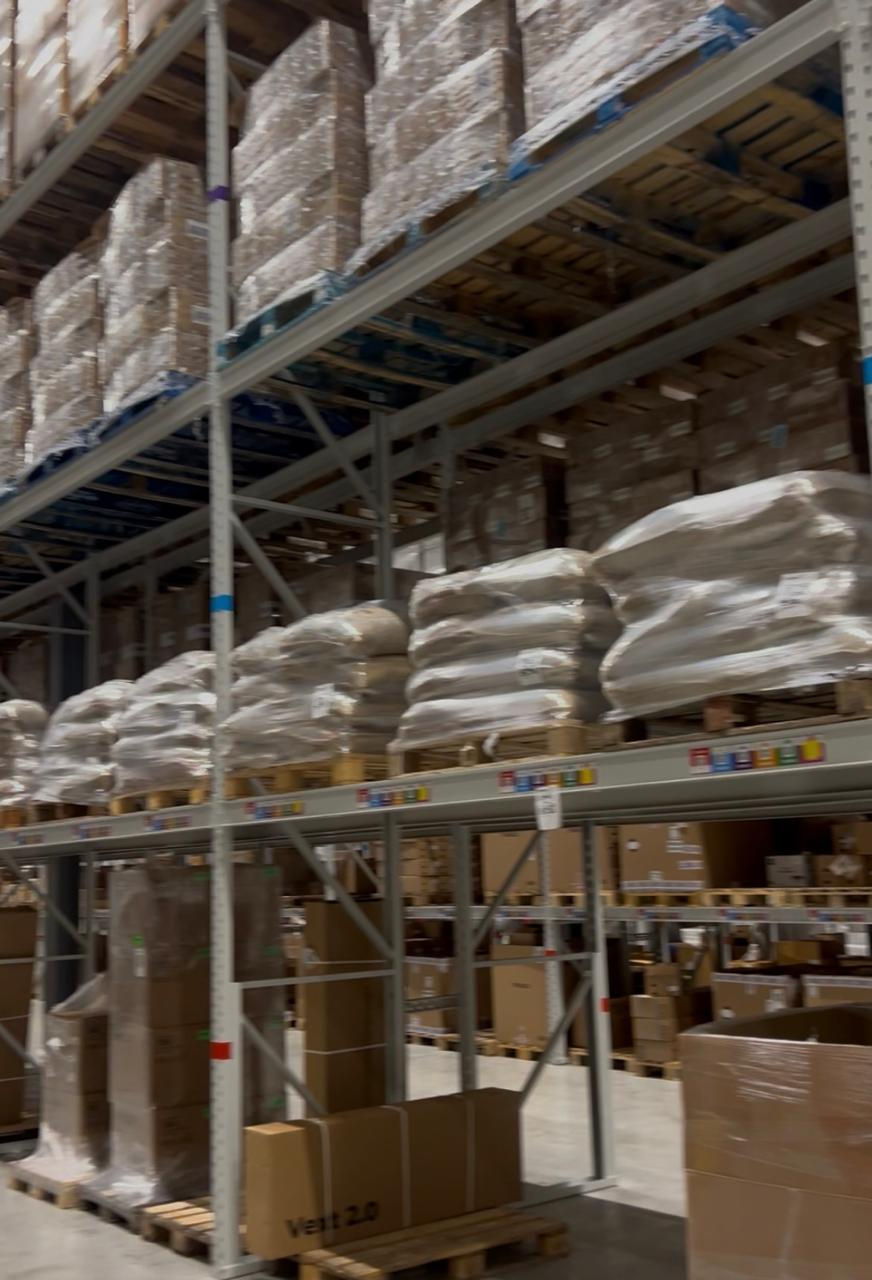
We continue to offer producers a reliable way to store inventories in Europe, shortening lead times to roasters. It is a genuine win-win.
_______________________
Weekly Highlights:
Coffee Futures KC Price in NY: -2.80% weekly, closing at 285.15 cents/lb.
Coffee Price in Brazil's B3 in USD: -2.13% weekly, closing at 373.75 USD per 60kg bag.
BRL/USD fx rate: -0.73% weekly
Proxy of 20' container freight prices from Santos to Rotterdam: down ~2% weekly
Americans are shifting toward premium coffee drinks, with sales of lattes up 4.0%, espresso shots up 3.3%, and Americanos up 1.4% in 2025 compared to 2024, while traditional hot drip coffee declined 3.3%. The food and beverage sector showed resilience in 2025 with a second-half M&A rebound, adapting to macro uncertainty and consumer preferences, setting a positive outlook for 2026.
PAR Technology acquired Bridg for $27 million in January 2026, focusing on AI integration, though stock fell post-announcement as M&A became less prioritized.
M&A activity in the food industry is expected to be more strategic in 2026, with buyers focusing on high-quality assets amid regulatory and economic challenges.
Beverage and food companies face tariff uncertainty in 2026 due to Supreme Court rulings and administration policies, impacting supply chains and costs.
The Self-Care Leadership Summit in March 2026 discussed consumer healthcare M&A trends, highlighting high-interest categories and appraisal shifts.
Dutch Bros plans an expanded food menu rollout in 2026 to drive top-line growth, alongside geographic expansion to 2,029 shops by 2029.
Brazil's CONAB forecast a 17.1% increase in 2026/27 coffee production to 66.2 million bags, potentially pressuring prices despite global supply concerns.
Colombia's coffee production fell 14% over the past 12 months to February 2026, with exports down 32% in February, amid shifting global demand.
Vietnamese domestic coffee prices rose VND 2,600 on March 13, 2026, to VND 94,200–95,300/kg, driven by Middle East supply disruptions and Brazil's bumper harvest outlook.


Comments